★★★
Budget
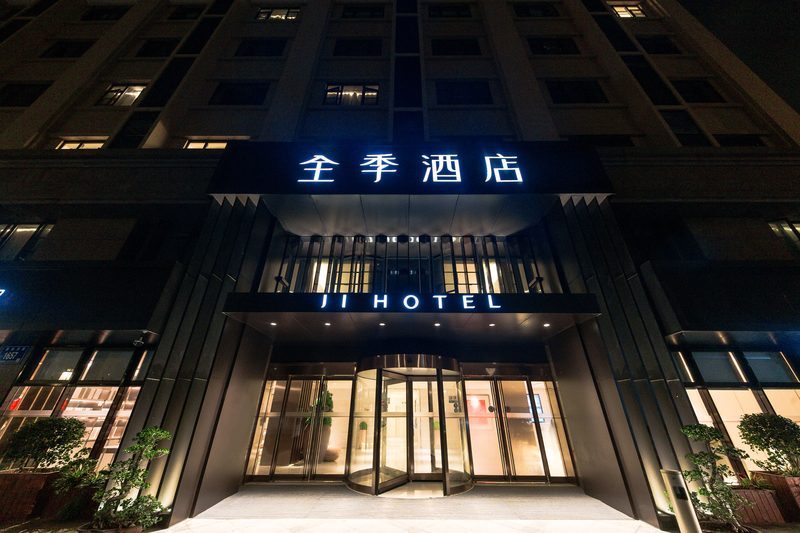
JI Hotel (Xiamen North Railway Station Xinglin Wan Road)
From $48 / night
Check Prices on Trip.com →
November weather, activities, events & insider tips
Temperature, rainfall and humidity at a glance
Weigh the advantages and considerations before booking
Top things to do during your visit
November is Gulangyu's sweet spot. The August hordes, those dense crowds that turn the island's narrow lanes into slow-moving queues of tour groups clutching flag-bearing umbrellas, have vanished. You can pause on Bishan Road in front of the old treaty-port mansions and see them. Roughly 1,000 colonial buildings survive here from the late Qing and Republican eras. German, British, Japanese, Spanish, all left their architectural signatures within a few hundred meters. November's angled light picks out plasterwork and weathered tile that summer's flat glare obliterates. The jacaranda trees have dropped enough leaves to open sight lines that summer closes off. Budget four to five hours minimum to push past the obvious landing-area attractions and into the quieter residential lanes where the island still feels lived-in, not performed.
The Hakka earthen roundhouses in Fujian's Nanjing and Yongding counties will stop you cold, circular fortress structures four and five stories high, built from rammed earth and timber, housing entire extended clan families under one roof. From above they look like dropped coins scattered across a green valley. November is probably the ideal time: the countryside glows deep green and gold, temperatures make walking between clusters easy, and harvest season brings these roundhouse communities alive in ways mid-winter won't. Tianluokeng delivers the famous three-circle-two-square grouping you've seen in photographs; Hongkeng village is larger and shows daily life still unfolding inside these structures. The drive from Xiamen takes roughly three hours each way. Allow a full day, rushing the tulou clusters misses their point entirely.
Xiamen's Minnan cuisine deserves more fame than it gets, that's the first truth about eating here. This is Hoklo cooking, the food Fujian emigrants carried to Taiwan, Singapore, and the Philippines, where it adapted but never morphed the way it did in transit. Sha cha mian (satay noodles) arrive slicked with sauce built from dried shrimp, roasted peanuts, and a complexity of spice that smells like three kitchens colliding at once. Oyster omelets come coated with potato starch that gives the egg an almost chewy, gelatinous texture, nothing like any omelet you've had elsewhere. Hua sheng tang, peanut soup with glutinous rice balls bobbing inside, delivers the sweetness at the end of a savory walk, ladled from metal pots that have occupied the same stovetop since before tourists discovered the place. The streets branching off Zhongshan Road toward the Bashi Market and the Eight Trigrams neighborhood host stalls that have run for decades. November's temperatures make the walk pleasant. You won't arrive at a food stall already drenched in sweat.
43 km of asphalt hugging the South China Sea, Huandao Road is the best two-wheeled ticket in Xiamen. November changes everything. The sun drops low, the water turns amber, and suddenly you're cycling through liquid gold instead of sweating through July's furnace. The full loop? Ambitious. Most riders grab a bike at Baicheng Beach and punch south through the main Huandao sections to Guanyinshan. That 15-20 km slice delivers every coastal highlight without destroying your afternoon. Rental stations dot the route. You'll find them. Morning rides mean calm air. By afternoon the northeasterly kicks in hard. Exposed sections become wind tunnels. Gentle cruise becomes leg-burner. Plan accordingly.
These two sit side by side at the southern end of Xiamen Island, experienced visitors knock them off in one morning. Nanputuo Temple (South Putuo) is a working Buddhist monastery with roots traced to the Tang Dynasty, rebuilt and expanded through the Song, Ming, and Qing periods. The main hall complex carries the smell of sandalwood incense that has soaked the wooden beams for centuries. Behind the buildings, cliff paths climb to lookout points where temple rooftiles and harbor spread below in a view that takes a moment to process. Next door, Xiamen University's campus is widely considered the most architecturally striking university campus in China. Traditional Minnan curved rooflines and colonial-influenced stone buildings surround Furong Lake, the kind of place that stops you mid-step. November's clear light and trees beginning to turn make it worth photographing more than most months.
Jimei is Xiamen's other island settlement, now fused to the mainland and stubbornly less visited than Gulangyu, which, come November, is exactly why you'll want it. The Jimei School Village is the work of Chen Jiageng (Tan Kah Kee), the Fujian-born tycoon who built Southeast Asia's rubber and pineapple empires, then poured the profits straight into schools back home. From the 1910s through the 1950s he bankrolled buildings that mash Minnan curved roofs with Art Deco angles and colonial arcades, an unlikely trio that somehow clicks. Walk ten minutes to Ao Yuan: Chen's mausoleum and stone turtle garden sit in near silence, a mood November's thin crowds make easy to claim. Summer? Forget it. Metro Line 1 now rolls right into Jimei, so the old transit headache is mostly solved.
Hand-picked hotels across price tiers for November travellers.
Bookmark this page — your progress is saved between visits
Climate-specific gear, brand recommendations, and what to leave at home.
View Xiamen Packing List →Insider knowledge and common pitfalls to avoid
Now that you've got the research covered, here's where to go next.
Top-rated things to do in Xiamen this November
Browse Viator's full catalog of tours, day trips, food experiences, and private guides in Xiamen.
See All Xiamen Tours on Viator


